Google Small Business Websites: A Complete Guide to Building Your Online Presence In today’s digital world, having a professional website is essential for every small business. Whether you own a local bakery, a law firm, an online store, or a consulting agency, your website serves as your digital storefront. Google offers several free and paid tools that help small businesses create an online presence, improve local visibility, and attract new customers.
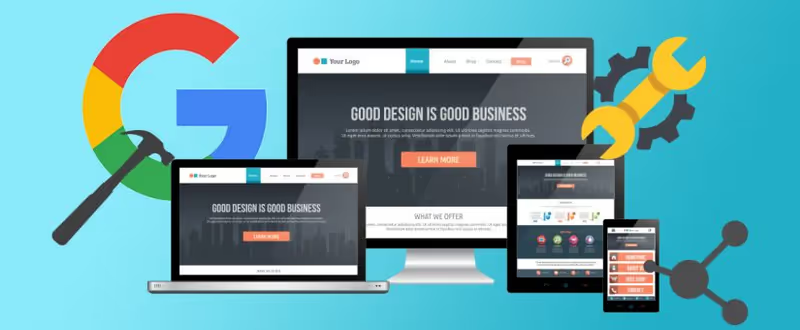
This guide explains how Google supports small business websites, why having a website matters, and the best practices for building a successful online presence.
What Is a Google Small Business Website?
A Google small business website refers to a business website that works alongside Google’s business tools, such as a Google Business Profile, Google Search, Google Maps, and Google Ads. In the past, Google also offered a simple website builder through Google My Business, but today Google primarily encourages businesses to maintain their own websites while connecting them to their Business Profile.
A business website can help you:
- Build credibility
- Showcase products and services
- Display contact information
- Generate leads
- Accept online bookings or orders
- Improve search engine visibility
Why Every Small Business Needs a Website
Many customers search online before making a purchase. Without a website, your business may lose potential customers to competitors.
Benefits of having a website include:
- Available 24/7
- Builds trust and professionalism
- Increases local visibility
- Supports online marketing
- Helps customers find business information quickly
- Enables online sales and appointments
Businesses that link a website to their Google Business Profile can improve customer engagement and visibility in Google Search and Maps.
Google Tools for Small Businesses
Google provides several free tools that work together to strengthen your online presence.
Google Business Profile
A Google Business Profile allows your business to appear in:
- Google Search
- Google Maps
You can display:
- Business hours
- Phone number
- Website link
- Customer reviews
- Photos
- Directions
Keeping your profile complete and updated helps customers find and trust your business.
Google Search Console
Google Search Console helps website owners:
- Monitor search performance
- Submit sitemaps
- Identify indexing issues
- Track keyword rankings
- Improve SEO
This tool is free and useful for businesses of all sizes.
Google Analytics
Google Analytics provides insights into:
- Website visitors
- Traffic sources
- User behavior
- Popular pages
- Conversion tracking
Understanding visitor behavior helps improve marketing strategies.
Google Ads
Google Ads allows businesses to advertise directly in Google Search results.
Benefits include:
- Instant visibility
- Targeted advertising
- Budget control
- Measurable results
Small businesses can target customers based on location, keywords, interests, and demographics.
Essential Pages Every Small Business Website Should Have
A professional website should include several key pages.
Home Page
Your homepage should clearly explain:
- Who you are
- What you offer
- Why customers should choose you
About Us
Share your company story, mission, experience, and values to build trust.
Services or Products
Describe your products or services in detail.
Include:
- Pricing (if appropriate)
- Features
- Benefits
- Images
Contact Page
Provide multiple contact methods:
- Phone number
- Email address
- Business address
- Contact form
- Google Maps location
Testimonials
Customer reviews help build credibility and encourage new customers to contact you.
SEO Tips for Small Business Websites
Search Engine Optimization (SEO) helps your website rank higher in Google Search.
Best practices include:
- Use relevant keywords naturally.
- Write high-quality content.
- Optimize page titles and meta descriptions.
- Add descriptive image alt text.
- Improve page speed.
- Make your website mobile-friendly.
- Build internal links.
- Earn quality backlinks.
Local SEO is especially important for businesses serving specific geographic areas.
Mobile-Friendly Design
Most users browse websites using smartphones.
Your website should:
- Load quickly
- Display correctly on mobile devices
- Have easy navigation
- Include click-to-call buttons
- Use readable fonts
A mobile-friendly website improves user experience and search visibility.
Website Security
Security protects both your business and customers.
Essential security features include:
- HTTPS (SSL certificate)
- Strong passwords
- Regular software updates
- Secure hosting
- Regular backups
Google also favors secure websites in search rankings.
Common Mistakes to Avoid
Many small businesses make avoidable website mistakes.
Avoid:
- Slow-loading pages
- Outdated information
- Broken links
- Poor mobile experience
- Missing contact details
- Weak calls to action
- Low-quality images
Regular maintenance keeps your website effective.
How to Promote Your Website
Building a website is only the first step.
Promote it through:
- Google Business Profile
- Social media
- Email marketing
- Google Ads
- Blog content
- Local SEO
- Online directories
A combination of these strategies helps attract more visitors.
Frequently Asked Questions
Is a Google Business Profile enough?
A Google Business Profile is valuable for local visibility, but a dedicated website gives you greater control over your brand, content, and customer experience. Using both together generally provides the best results.
Can I create a website for free?
Yes. Several website builders offer free plans, though paid plans typically provide custom domains, more storage, and additional business features.
Do I need coding skills?
No. Most modern website builders include drag-and-drop editors, making it easy for beginners to create professional websites without coding.
How long does it take to build a website?
A basic business website can often be launched within a few days, while larger or custom websites may take several weeks.
Conclusion
A professional website is one of the best investments a small business can make. Combined with a complete Google Business Profile, Search Console, Analytics, and smart SEO practices, your website can help attract new customers, strengthen your brand, and support long-term growth. Focus on creating a fast, mobile-friendly, secure, and informative website that clearly communicates your products or services. By maintaining your site regularly and using Google’s free business tools, you’ll be well-positioned to compete and succeed in today’s digital marketplace.